certification / DIY / guides
Tiny Home Certification for DIY Builders: What You Need to Know
CERTAFI Team
April 2, 2026
9 min read
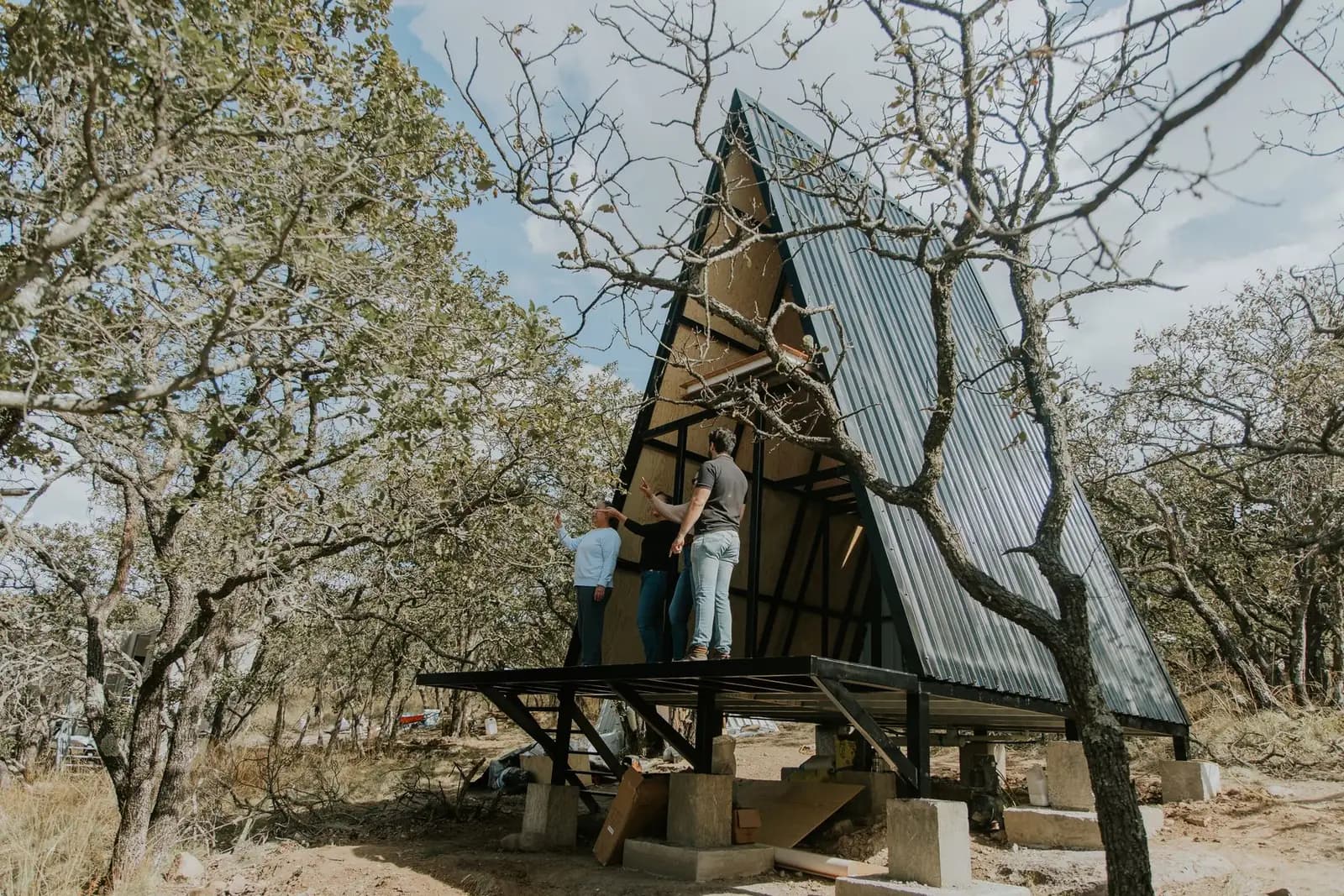
Building a tiny home yourself is completely doable. Getting it certified afterward is where a lot of DIY builders run into trouble, usually because they didn't know what documentation they needed until it was too late to go back and get it.
This guide covers tiny home certification for DIY builders specifically. Not manufacturers, not production shops. Individual builders working on their own project, often for the first time.
Why Certification Is Different for DIY Builders
Most certification programs were designed around manufacturers. They assume you have a facility, an established process, and employees running the same checklist on every unit. As a DIY builder, none of that applies to you.
What that means in practice is that some programs are simply not open to individual builders. RVIA, for example, requires manufacturer membership. You cannot certify a one-off DIY build through RVIA regardless of how well it's built.
The programs that do accept DIY builders approach the process differently. Instead of auditing a facility, they review documentation of the actual unit. That usually means photos, video, or both. You document the work as you go, and an inspector at that program reviews what you submitted.
Which Programs Accept DIY Builders
Three programs currently accept DIY builders: NOAH, PWA, and CERTAFI. Each works a bit differently.
NOAH was built from the beginning with individual builders in mind. Every unit is inspected individually through remote live video. NOAH has been operating since 2015 and has real recognition with lenders and insurers. Pricing runs around $1,760 per unit. If you're building one home and need a well-recognized certificate, NOAH is worth looking at seriously.
PWA offers a DIY path as well and certifies tiny homes as RVs. The process involves forms, photos, and phone consultations. Pricing is similar to NOAH. Recognition varies more by region and insurer than NOAH does, so it's worth checking with your specific insurer before committing.
CERTAFI is a records platform, not a certification program. You document your build with staged photos and video. A certification body, if assigned, reviews submissions inside the platform. CERTAFI does not certify homes or determine compliance. Current builder pricing is published on the pricing page and is billed per active build.
If you want a side-by-side breakdown of RVIA, NOAH, PWA, and how CERTAFI fits as a records platform, the tiny home certification comparison post covers that in detail.
The Biggest Mistake DIY Builders Make
They start building before they understand what the inspector needs to see.
Once you've closed up your walls, run your wiring, and covered your framing, a lot of that work becomes invisible. An inspector reviewing your submission has no way to verify what's behind the drywall unless you photographed it before covering it up.
Every certification program that inspects individual units requires photos at specific stages of construction. The framing before it's covered. The electrical rough-in before the walls go up. The insulation before the interior finish goes on. If you skip those photos because you were focused on building, you may have to open walls to document what's inside. Some builders have done exactly that.
The fix is simple. Decide which certification program you're using before you start, understand exactly what they need to see at each stage, and build your documentation process into your build schedule from day one.
What You Need to Document
Requirements vary by program, but the core documents and photos are consistent across all of them. Here is what you should plan to have regardless of which program you choose.
Before construction begins:
- Trailer VIN documentation
- Floor plan with dimensions
- Electrical plan showing panel location, circuits, and receptacle placement
- Plumbing plan showing supply lines, drain lines, and fixture locations
During construction:
- Trailer frame and subfloor before covering
- Wall and roof framing before sheathing
- All electrical wiring and plumbing rough-in while fully visible
- Insulation in walls, ceiling, and floor before finish materials go on
At final inspection:
- All outlets, switches, and fixtures installed and functional
- Safety equipment in place: smoke alarms, CO detector, fire extinguisher
- Complete exterior documentation
- Any required serial or identification plates affixed and readable
Some programs require live video walkthroughs in addition to photos. Plan for that. It takes maybe 20 to 30 minutes per stage and is typically done on your phone or tablet at the job site.
Planning Your Build Around Certification
The cleanest approach is to choose your certification program before you pull materials. Read through the inspection checklist, understand what they need to see at each stage, and build your documentation into your construction schedule.
A few practical things to do early:
- Create your account and start a unit in your chosen program before breaking ground. Some programs require plan approval before you can begin build stages.
- Keep your VIN paperwork with your build documents from day one. You'll need it for plan submission.
- Get your electrical and plumbing plans drawn up before you start rough-in. Basic hand-drawn plans with dimensions are usually acceptable. The inspector needs to understand the layout, not review an engineered drawing.
- Set a reminder to photograph each major stage before you cover it. This is the one step most builders skip and later regret.
What You Get at the End
When a DIY build passes final inspection, the certification program issues a certificate. Depending on which program you used, that typically includes a PDF certificate with your unit's details, an inspection record showing each stage was reviewed, and sometimes a serial number or QR code that lets anyone verify the certification online.
That documentation is what you hand to your insurer, your lender, or the RV park where you want to park. It's also what a future buyer will ask for. Keep copies in multiple places.
A Note on Acceptance
Not every lender or insurer accepts every certification program. This is worth checking before you commit to a program, not after.
Call your insurer and ask specifically which certification programs they accept for tiny homes on wheels. Do the same with any lender your buyer might use. RVIA has the widest acceptance but isn't available to DIY builders. NOAH has strong and growing acceptance. Newer programs are building their track record.
Getting the wrong certification is worse than getting none in some situations, because it can create confusion without solving the problem. A few phone calls at the start of your build can save a lot of trouble at the end.
Final Thought
DIY certification is completely achievable. Builders do it all the time. The ones who have the smoothest experience are the ones who treated documentation as part of the build, not something to deal with afterward.
Plan it in from the start, photograph everything before you cover it, and choose your program before you begin. The inspection process itself is manageable. It's the documentation gaps that cause problems.
The information in this post reflects what is publicly available as of early 2026. Requirements, pricing, and program acceptance can change. Verify current details directly with any program you're considering.
Bring the record together
Ready to organize your next build?
Keep construction, customers, documents, and payments connected in one place.