insurance / certification / guides
How to Get a Tiny Home Insured: What Builders and Buyers Need to Know
CERTAFI Team
April 3, 2026
8 min read
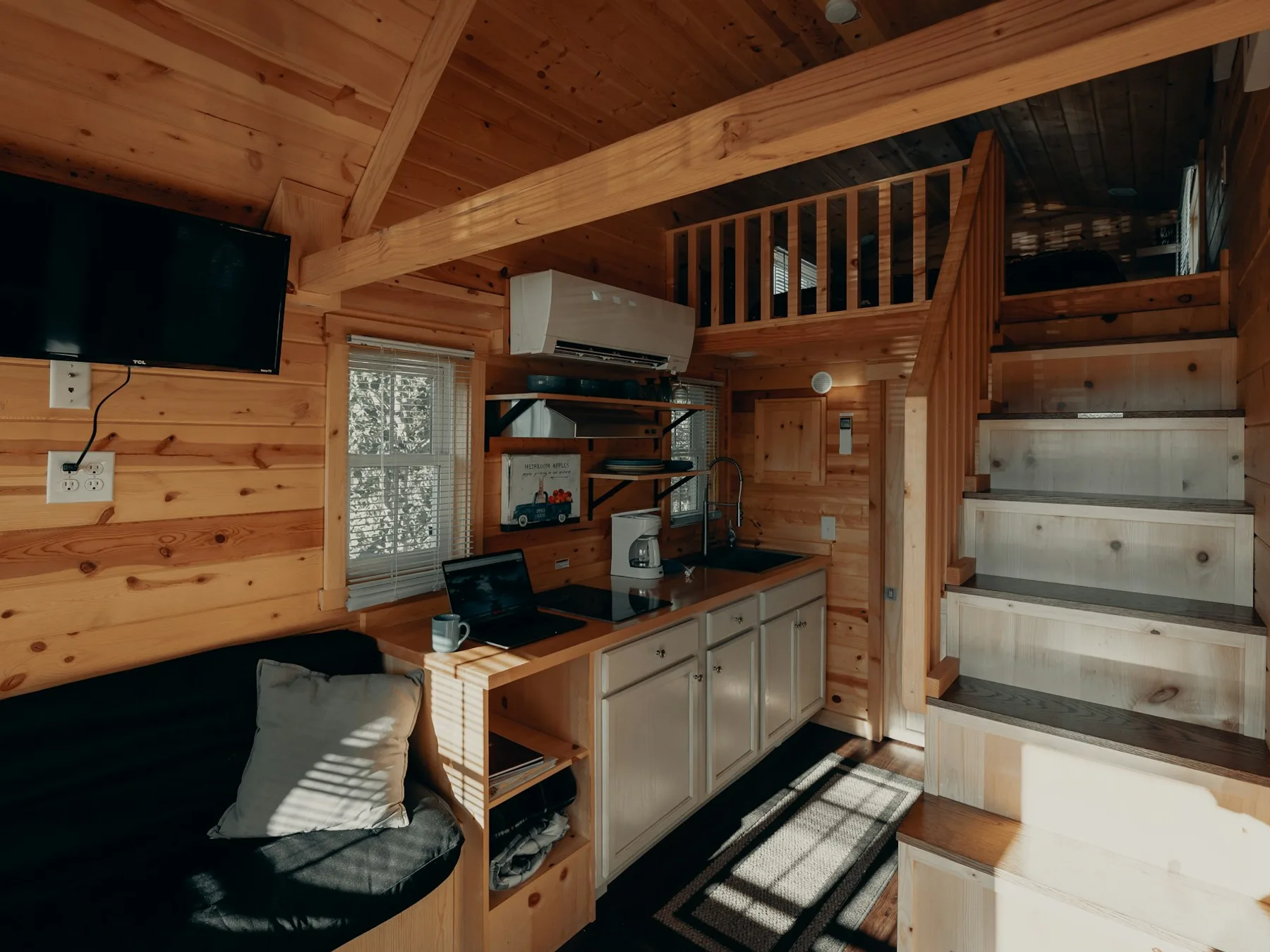
Insurance is one of the first real-world tests a tiny home has to pass. A beautiful, well-built home that can't be insured is a problem for the buyer, the lender, and the builder's reputation. Getting this right starts well before the build is finished.
This guide covers what insurers typically look for, why certification matters for insurance, which documentation to have ready, and how to find an insurer who will actually write a policy on a tiny home on wheels.
Why Insuring a Tiny Home Is Different
Most standard homeowner's insurance policies are not designed for tiny homes on wheels. They were written for site-built homes on permanent foundations. A tiny home on a trailer falls into a gray area that most major insurers either exclude entirely or handle inconsistently.
The same is true for standard RV insurance. Most RV policies are designed for recreational use, not full-time or semi-permanent living. A tiny home that someone is using as a primary residence doesn't fit neatly into those boxes either.
That means you need to find an insurer who specifically writes policies for tiny homes on wheels, and you need to come to that conversation with the right documentation. The certificate is part of that, but it's not the whole picture.
What Insurers Are Actually Looking For
When an underwriter reviews a tiny home, they're trying to answer a few basic questions. Is this structure built to a known standard? Can they verify that? What is the replacement value? And what is the risk profile for the way it will be used?
The documentation that helps answer those questions includes:
- A certification from a recognized program showing the home was inspected and meets a defined building standard
- A detailed description of construction: wall framing, insulation, electrical system, plumbing, and roof type
- Photos of the completed build, inside and out
- The trailer VIN and any relevant manufacturer documentation
- An estimated replacement value or appraisal
Not every insurer requires all of these. But having them ready puts you in a much stronger position and tends to speed up the underwriting process significantly.
Does Certification Help With Insurance?
Yes, meaningfully. A certification certificate from a recognized program tells the insurer that a qualified third party reviewed the build against a defined standard. That documentation reduces uncertainty for the underwriter, and reduced uncertainty generally means a cleaner path to coverage.
The key word is recognized. Not every certification program carries the same weight with every insurer. RVIA certification is the most broadly recognized because it has been around the longest and is tied to established RV standards. NOAH has built real recognition with insurers who specialize in alternative housing. Newer programs are still establishing their track records with individual insurers.
Before you commit to a certification program, call your target insurer and ask specifically which programs they accept. That one phone call can save a lot of time. For more on how the programs compare, the tiny home certification comparison post covers each one in detail.
Types of Insurance to Know About
There are a few different policy types that come up in conversations about tiny home insurance. Understanding the differences helps you ask the right questions.
RV insurance is the most common starting point. Some tiny homes can be insured under RV policies, especially if they have been certified to RVIA or another RV standard. Coverage typically includes liability, collision, and comprehensive. Full-time living endorsements are available from some carriers and are worth asking about if the home will be used as a primary residence.
Specialty tiny home insurance is offered by a small number of companies that have built products specifically for the tiny home market. These policies are often more flexible about how the home is used and more familiar with programs such as NOAH. They tend to require more documentation upfront but can provide better coverage for full-time residents.
Landlord or dwelling policies sometimes apply if the home is being rented out on a permanent pad. These are situational and worth discussing with a broker who understands alternative housing.
Insurers Worth Looking Into
We are not going to recommend specific companies because the market changes and coverage varies significantly by state. What we can say is that a few types of sources tend to be helpful.
Insurers who specialize in RVs and manufactured housing often have more experience with tiny homes than general homeowner's insurers. Independent brokers who work with alternative housing clients can often access markets that aren't available directly. Tiny home builder communities and forums sometimes have up-to-date recommendations from people who have been through the process recently in your specific state.
When you call, lead with the specifics: it's a tiny home on wheels, here is the certification, here is the VIN, here is how it will be used, here is the estimated value. The more concrete information you provide upfront, the faster the underwriter can give you a real answer.
What Affects the Premium
Tiny home insurance premiums depend on several factors, most of which you have some control over.
Construction quality and certification. A home that was built to a documented standard and inspected at each stage presents less underwriting risk than one with no documentation. Certification tends to help here.
How the home will be used. A home parked permanently on a private lot is a different risk profile than one being moved frequently. Full-time occupancy versus occasional use also affects pricing. Be straightforward with your insurer about how the home will actually be used.
Location. Where the home is parked or will be parked matters for weather risk, local regulations, and local claims experience. Some insurers are more comfortable with certain states or regions than others.
Replacement value. The more accurately you can document the cost to rebuild the home, the more cleanly the underwriter can set the coverage limit. A detailed material and labor cost breakdown helps.
Safety features. Smoke alarms, CO detectors, fire extinguishers, and quality electrical systems reduce risk. Most certification programs require these as part of the inspection, which is another reason certification and insurance tend to go together.
Getting Insurance Before the Build Is Finished
It is worth reaching out to insurers while your build is still in progress, not just when you're ready to hand over the keys. Some insurers want to know the certification program you're using before they will quote a policy. Finding that out early lets you make sure your certification choice is compatible with your insurance goal.
It also gives you time to address any documentation gaps. If an insurer asks for something you don't have, you'd rather find that out at the framing stage than after final inspection.
What Buyers Should Ask the Builder
If you're buying rather than building, the documentation you need to get insured is the same documentation a good builder should already have.
Ask the builder for the certification certificate and the inspection records from each stage of the build. Ask for photos of the framing, electrical rough-in, insulation, and final inspection. Ask for the trailer VIN documentation. If the builder can't provide those things, that tells you something important about how the home was built and documented.
A well-documented build is easier to insure, easier to finance, and easier to sell later. Builders who understand that tend to build better and document more carefully because they know what their buyers will face.
Final Note
Getting a tiny home insured is not as simple as calling your regular insurer, but it's not as hard as some builders fear either. The builders who have the smoothest experience are the ones who treated documentation as part of the build and chose their certification program with insurance in mind.
Call the insurer early. Have the documentation ready. Be specific about how the home will be used. Those three things cover most of the ground.
Insurance products, pricing, and availability vary by state and change over time. This post reflects general information as of early 2026. Always verify coverage details directly with a licensed insurer or broker in your state.
Bring the record together
Ready to organize your next build?
Keep construction, customers, documents, and payments connected in one place.